
A garden building can be a significant investment, but the cost varies widely depending on what you want to build.
So, how much does a garden building cost in practice? In the UK, prices can range from around £8,000 for a simple garden room to £150,000 or more for a large, bespoke build.
In this guide, we break down garden room costs by type before looking at the additional expenses that can easily be overlooked. Whether you are planning a small garden room for quiet work or a larger space for family life, you should have a clearer idea of what to budget for by the end.
How Much Does a Garden Building Cost?
At Phase, a garden room costs range from £8,000 to £30,000, across the UK, and the spread is so wide because garden buildings cover a lot of ground. A basic garden shed sits at one end, while a bespoke annex with plumbing sits at the other. Entry level models start from around £2,500 for a mini garden room, although these are usually self-assembly and rarely suited to winter use.
Most homeowners land somewhere in the middle. A professionally installed modular garden room typically costs £15,000 to £25,000, and a 3m × 3m garden room averages £21,646. At the premium end, a high-end bespoke build with plumbing can pass £30,000 once the finishes are added.
It also helps to know what a quote usually covers. Most garden room prices include VAT and installation, and standard quotes typically include foundations and insulation as well. Final electrical connections, however, are often left out, so it is worth asking about them before you sign anything.
How Much Does a Garden Room Cost by Type?
The first thing that shapes the cost of a garden room is how it is built. Each type suits a different budget, so it helps to see where your own plans might sit.
Self-Assembly Kits and Mini Garden Rooms
Self-assembly kits are the cheapest option if you are prepared to handle the construction yourself.
Basic kits average between £1,500 and £4,000 and include structural panels and windows, while mini garden rooms start from around £2,500. You will still need to supply the base and the finishing, and you will have to give up a few weekends to the build.
For anyone who would like a assistance, professional assembly typically adds around £1,250. That is a modest sum when it saves you the stress of getting it wrong.
Modular and Prefabricated Garden Rooms
Modular or prefabricated garden rooms typically cost between £8,000 and £15,000.
Since they are built in a workshop and then delivered, the quality stays consistent and the time on site stays short. Once professional installation is added, a fully insulated garden room usually lands between £15,000 and £25,000, which is where most year round garden rooms sit.
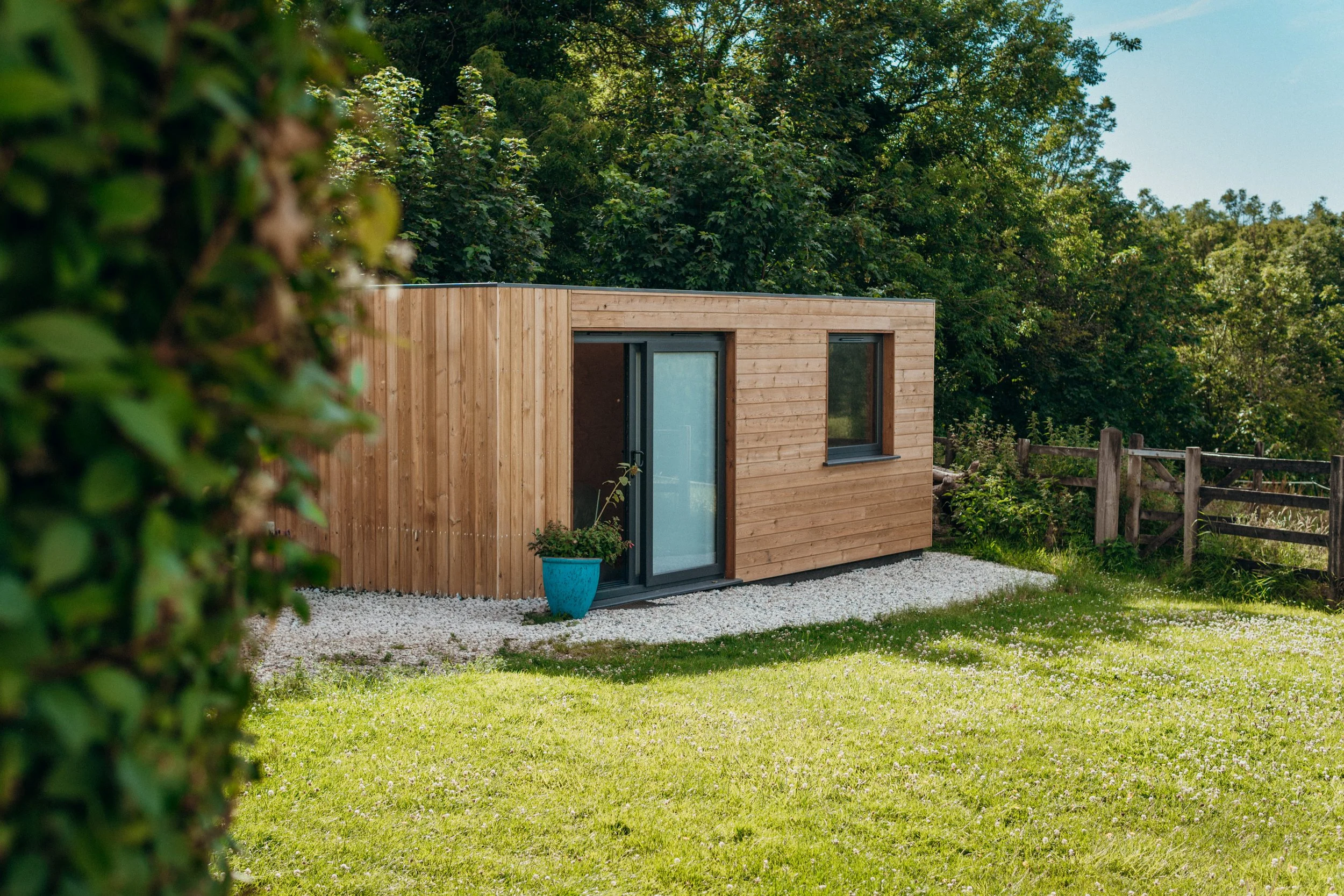
Timber frame garden rooms are common because they can suit a range of garden sizes and layouts without making the structure unnecessarily heavy. That makes them a practical choice for everything from a compact garden office to a larger space designed for year round use.
Garden Office Costs
A garden office typically costs between £12,000 and £30,000, with the spread depending on size, glazing, insulation and how much of the electrical work is included.
Since a good garden office needs more than four walls, it also needs dependable heating and decent light. Power for your equipment matters too, as does data cabling for a stable connection.
Garden office pods sit at the more compact end of the market. They are designed around a smaller footprint and can provide a dedicated workspace where garden space is limited.
Brick-Built Garden Rooms
Brick-built garden rooms can cost £15,000 to £30,000. They take longer to build and need stronger foundations, but they also tend to add more value than lighter structures, which makes the extra spend easier to justify.
Bespoke Annexes
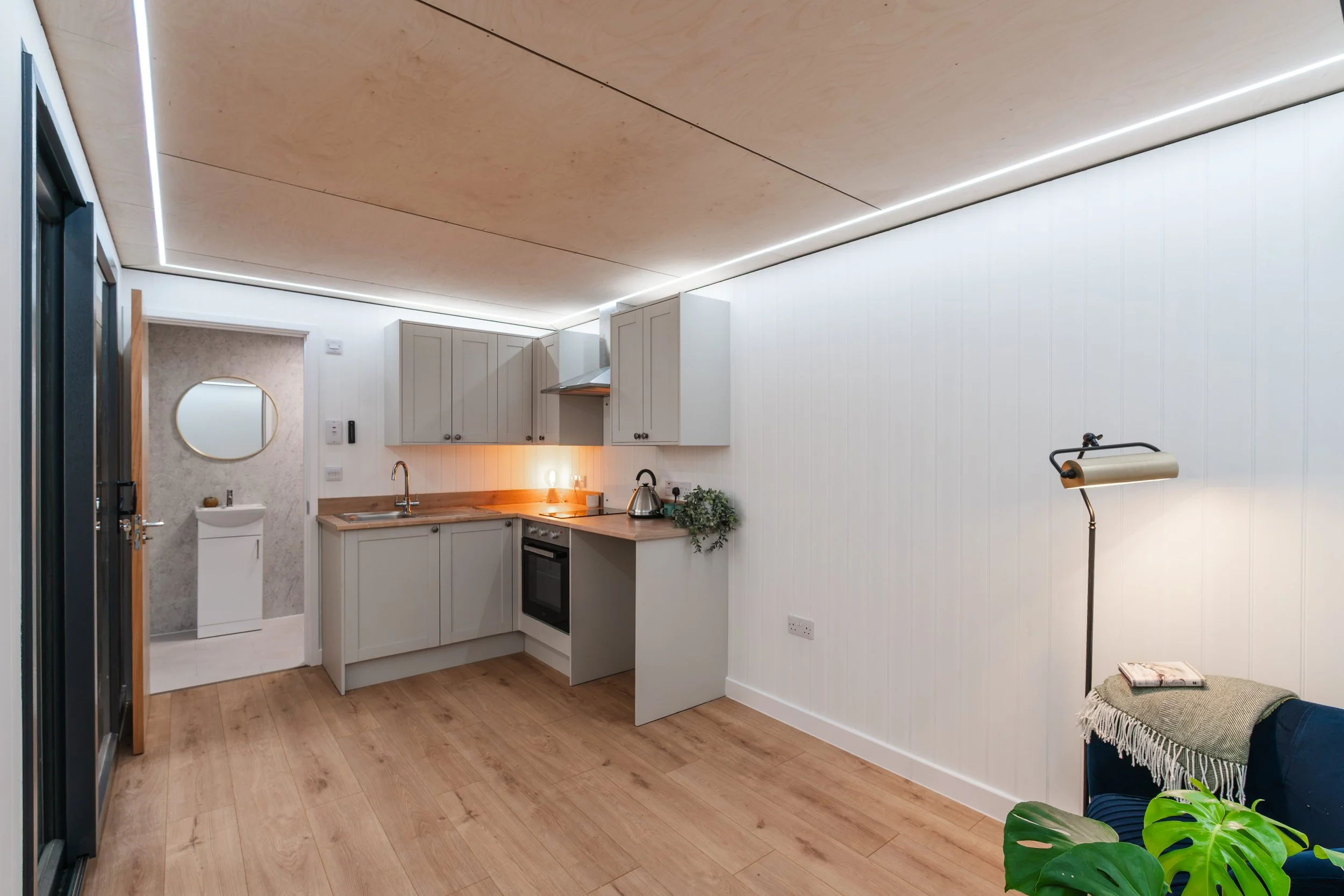
At the top end, high-end bespoke annexes with plumbing can easily exceed £30,000. Adding plumbing to a garden room costs an additional £3,000 to £8,000 on its own, so a kitchenette or shower room quickly turns the project into something closer to a small home than a garden building.
What Affects the Cost of a Garden Room?
Two garden rooms with the same footprint can still differ by thousands of pounds. That happens because the cost of constructing a garden building varies with design and materials, and a handful of factors do most of the work.
Size and Layout
Larger garden structures need more materials and more labour, so the price climbs with every extra square metre. A single storey building keeps things simple, whereas a bigger footprint means a bigger base, more roof and more walls to insulate.
As a useful rule of thumb, year round garden rooms are usually budgeted at around £1,200 to £2,500 per m², which makes quotes of different sizes much easier to compare.
Materials and External Cladding
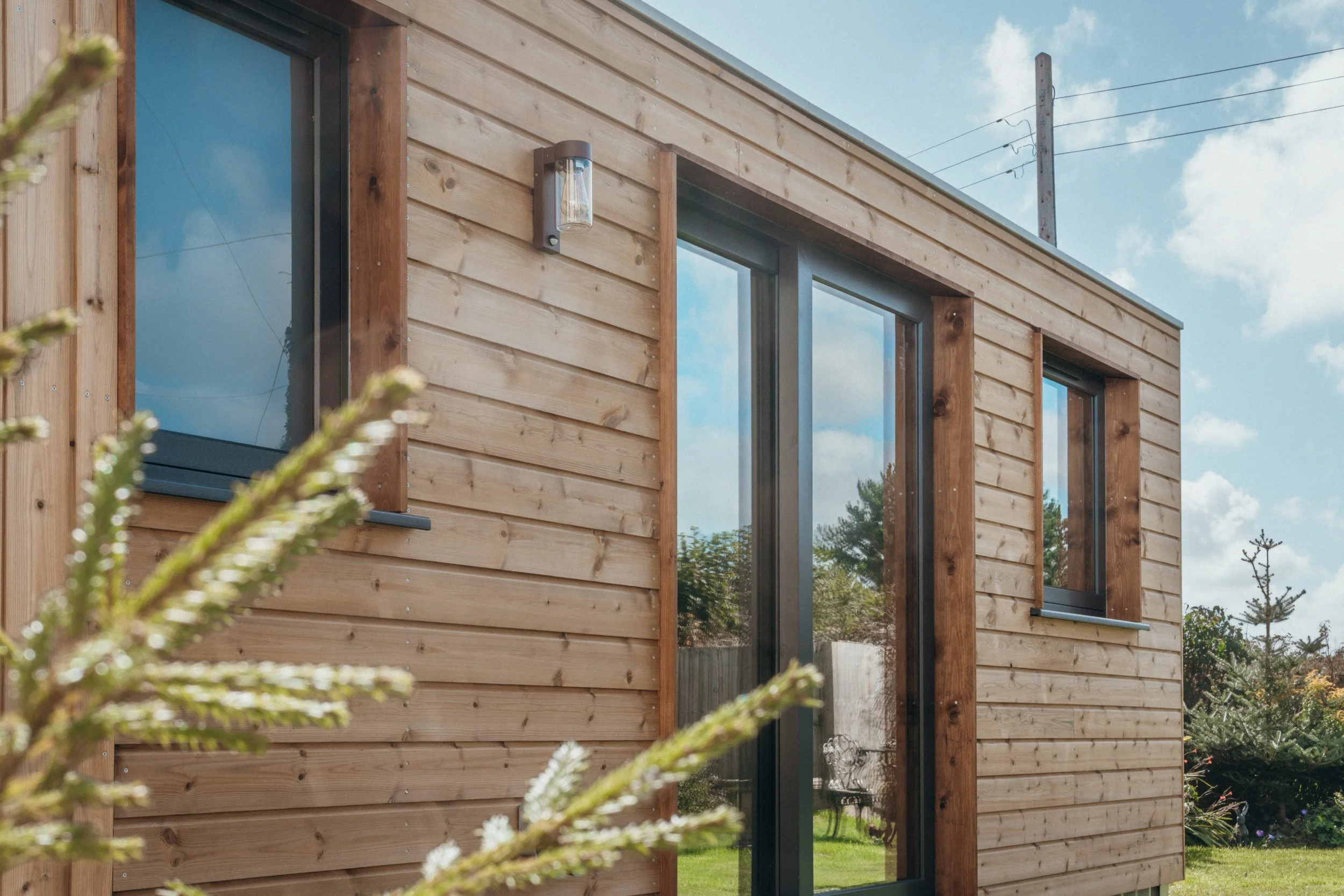
Your choice of materials affects both durability and overall cost, and external cladding is the clearest example. Some timber finishes need regular treatment, while others weather to a soft silver with very little care. The roof deserves the same attention, because a well built garden room needs a roof that sheds water and holds heat.
Insulation and Glazing
Garden rooms intended for year round use require higher insulation standards to maintain a comfortable internal temperature throughout the year. The quality and amount of insulation can also affect energy efficiency and ongoing heating costs. Mineral wool is commonly used in the walls and floor, while double glazing helps improve thermal performance and reduce external noise.
Foundations and Ground Conditions
Foundations are the part of the budget that surprises people most, because costs vary with the condition of the land and the groundwork required.
A level, firm site is cheaper to prepare than a sloped or soft one, and ground conditions can affect the price significantly. Your options include a concrete slab, a ground screw system or a timber base. Ground screws cause little disruption to a lawn, whereas a concrete slab suits heavier builds.
What Are the Additional Costs to Budget for in a Garden Building?
The initial quotation does not always reflect the full cost of a garden building project. Understanding what is and is not included can help you set a more accurate budget from the outset.
Electrics and Final Electrical Connection
Electrics installation costs range from £800 to £3,000, and connecting utilities can substantially raise the total project cost.
The final electrical connection is the part most often left out of a quote. You will usually need a consumer unit in the garden room, along with an armoured cable running from the main house.
It is worth asking who handles the connection and who signs it off, because a clear answer now saves an awkward conversation later.
Plumbing, Heating and Data Cabling
Installing utilities like electrics or plumbing may add thousands to the project, and plumbing alone adds £3,000 to £8,000. Heating comes next. A small building may only need an efficient electric heater, while a larger garden room may suit underfloor heating better.
Data cabling is cheap to fit during the build but expensive to add afterwards. For a home office in particular, a wired connection is more reliable than wifi, so it is worth including from the start.
Internal Finishes and Lighting
Internal finishes such as flooring, wall linings and paint can be an optional extra or part of the package. Lighting works in much the same way. Inside, it sets the mood of the space, and outside, external lighting adds safety on dark evenings while making the building look good from the house.
Optional Upgrades
The specification you choose can also significantly affect the final cost. Larger areas of glazing, external decking and more detailed internal finishes can all increase the budget.
It is therefore worth deciding which features are important to how you intend to use the garden room before finalising the specification.
Do You Need Planning Permission for a Garden Room?
Many people worry about planning permission, but you don’t always need it for a garden room. Many buildings fall under permitted development rules, though it depends on their size, location and intended use.
As a general rule, the building must be single storey and sit behind the main house. You’ll also need to leave enough of your garden uncovered, and there are stricter height limits near boundaries. Some properties have extra restrictions, including listed buildings, conservation areas and protected landscapes. These are common in Cornwall, so it’s worth checking the rules early.
Planning permission and building regulations are different things. Building regulations may apply depending on the building’s size and how you plan to use it. Garden rooms over 30 square metres need to comply, and sleeping accommodation can also bring requirements into play. The rules can be tricky to interpret, so get advice before committing. Phase may be able to check whether permitted development applies to your site so feel free to get in touch with us if you are unsure.
Choosing the Right Garden Room with Phase
At Phase, we design and build insulated garden buildings from our workshop in Callington, Cornwall. Our cabins are made for year round use, delivered nationwide and installed with minimal disruption to your garden. Every building also comes with a 10-year structural warranty.
Whether you need a compact garden office, a larger multi-purpose space or a bespoke studio with additional facilities, our range can be tailored to your requirements.
Thinking about adding a garden room to your property? Get in touch with Phase for expert advice on your options, planning and layout.
FAQ’s
-
A garden room can increase property value by 5 to 15%, with brick-built options tending to add more. Quality is what counts, though. A damp or draughty building will not lift a sale price, whereas a well built garden room that feels like part of the home will.
-
Garden rooms typically take 1 to 3 weeks to build, which is far quicker than a traditional extension. Factory-built units shorten the time on site even further, since most of the work happens before delivery.
-
Yes, provided it is built for it. A fully insulated garden room with double glazing and the right heating gives you usable space year round, but cheaper builds without proper insulation do not.
-
Yes. A larger cabin can include a shower room, toilet and kitchenette, although adding plumbing costs an additional £3,000 to £8,000.
-
For most homeowners, yes. You gain extra space and a likely rise in property value of 5 to 15%, and you avoid the disruption of a full extension.