
Health Benefits of Home saunas
For centuries, Nordic cultures have built sauna bathing into daily life, long before modern science could explain why it felt so good. Today, research is catching up with tradition, confirming that saunas and their benefits to your health and wellbeing go well beyond a pleasant sweat.
If you want a practical way to support your health and wellbeing, it helps to know what the evidence shows and where the limits are. Here is what we currently know about sauna use and where you can start using it for real health benefits.
What Is a Sauna?
A sauna is an enclosed room designed to expose the body to high temperatures for a short period. Traditional ones typically use dry heat, with temperatures reaching around 70°C to 100°C and relatively low humidity.
As the body heats up, blood flow to the skin increases and the heart rate rises to help regulate body temperature, while sweating helps the body cool itself. This creates a form of passive heat exposure that places controlled thermal stress on the body.
The experience can vary depending on the type of sauna, with steam rooms using moist heat and much higher humidity than traditional saunas.

What Are the Different Types of Saunas?
Not all saunas create the same experience. Different designs use different approaches to heat a body, which can affect how intense a session feels. The main types available, each with its own approach to heat exposure.
Traditional (Dry) Saunas
Traditional saunas use either wood burning stoves or electrically heated units to warm rocks, which then radiate heat through the room.
Wood burning saunas have the longest history and are still favoured for the ritual of tending the fire and pouring water over the sauna rocks to create bursts of steam. On the other hand, electrically heated options offer more convenient temperature control and are common in homes and gyms, typically running at high heat with low humidity.
Steam Saunas
Steam saunas, often called steam rooms, work differently. Rather than dry heat, they use moist heat generated by a steam source, creating high humidity at a somewhat lower air temperature; unlike a steam room, the moist air in a wet sauna can help hydrate the respiratory tract, which may make mucus easier to move. The moist heat can feel more intense on the skin even at lower readings, and some people find it easier on the respiratory tract.
Infrared Saunas
An infrared room is a type of sauna that uses special lamps to heat the body directly rather than heating the surrounding air. Far infrared saunas typically operate at around 60°C. Sessions are often kept to similar or slightly longer tolerable durations because the ambient air is cooler, and they are also used for pain relief in some chronic pain settings. This is considerably cooler than a traditional option, which makes them a popular option for people who find higher temperatures uncomfortable.
What Are the Health Benefits of Saunas?
The health benefits of sauna use stem from heat exposure. When the body is exposed to sustained heat, it responds much as it would to physical exertion, which helps explain the broad benefits linked to this response.
This shared physiological response explains why sauna use has been linked to such a wide range of outcomes.
Improved Cardiovascular Health
Using a sauna raises the heart rate in response to exposure to somewhere between 100 and 150 beats per minute, a range comparable to moderate exercise. This is one reason researchers describe sauna sessions as mimicking a mild cardiovascular workout, and it's central to the case for improving cardiovascular health through regular use.
Large observational studies, including long-running Finnish cohort research, have linked frequent sauna bathing to meaningfully better cardiovascular outcomes, including a lower risk of cardiovascular disease and heart disease. One widely cited study found that using a sauna room four to seven times weekly was associated with a 63% reduction in sudden cardiac death risk compared with once-weekly use.
Sauna use also appears to support healthy blood pressure. Regular sessions have been associated with lower systolic blood pressure and a reduced risk of developing high blood pressure over time. The heat causes blood vessels to widen, which may support heart health through improved circulation and ease the workload on the heart.
Stronger Immune System and Reduced Inflammation
Heat stress appears to give the immune system a temporary boost. Some research suggests regular sessions are associated with fewer common colds, potentially linked to increased circulation and a heat-triggered immune response.
Heavy sweating during a session may also support the skin's natural process of flushing impurities from pores, though the sauna's main immune benefit is thought to come from the internal physiological response rather than sweating alone.
There's also growing interest in sauna use and respiratory health. Some research suggests it may improve lung function in people with asthma by helping to open airways and loosen phlegm. Wet sauna sessions in particular may help hydrate the respiratory tract, making mucus easier to clear.
Muscle Recovery and Pain Relief
Heat exposure supports muscle recovery in more than one way. It can increase blood flow and relax muscles, helping to ease sore muscles after exercise, while the heat shock proteins triggered by sauna use play a role in repairing cellular damage from strenuous training.
For this reason, many people find the ideal time for a sauna session is within a few hours after a workout, once the body has cooled slightly, rather than immediately before exercising.
Saunas may also offer pain relief for people with chronic pain conditions such as arthritis. A 2019 study found its use eased lower back pain, and the heat may provide temporary relief from chronic pain conditions by improving pain and stiffness, especially in arthritis.
These effects tend to be temporary rather than curative, so sauna use is best seen as one part of a broader pain management approach rather than a replacement for medical treatment.
Improved Mental Health and Sleep
Sitting in intense heat can promote relaxation, help with reducing stress, and encourage the body to shift into a calmer state, while the endorphins released during a sauna session can lift mood and ease anxiety.
High temperatures also appear to lower cortisol levels, supporting the sense of relaxation many people describe after a session. Over time, using a sauna regularly has been associated with improvements in emotional wellbeing, reduced stress, and better sleep quality.
For sleep, an evening sauna session may help you wind down before bed. Just make sure you leave enough time afterwards for your body temperature to return to normal, as this natural cooling process may help prepare your body for sleep. Quiet time in the sauna may also encourage mindfulness and, in social settings, connection with others.
One long-term Finnish study found that men who used a sauna four to seven times a week had a 66% lower risk of dementia and a 65% lower risk of Alzheimer’s disease than those who used one once a week. The study found an association rather than proving that sauna use prevents these conditions, so more research is needed.
Weight Loss
Sauna use is sometimes marketed as a weight loss tool, but the reality is more nuanced. Much of the weight lost during a session is water weight from sweating, not fat, and it returns once you rehydrate.
Some research may that heat exposure can temporarily raise metabolic rate, which may contribute in a small way to overall energy expenditure, but this effect is modest compared with diet and exercise.
In short, a sauna shouldn't be relied on as a primary method to burn fat or lose weight. It can be a useful complement to an active lifestyle and a balanced diet, but the meaningful, lasting changes still come from those fundamentals.
What Are the Risks of Sauna Use?
A little preparation can make sessions more comfortable and reduce the risk of dehydration or overheating. Make sure you are properly hydrated before going in and avoid alcohol, which can increase fluid loss and affect blood pressure. If you have eaten a heavy meal, give yourself time to digest before entering the sauna.
After your session, drink plenty of water and allow your body to cool down gradually. Give yourself a few minutes to recover and pay attention to how you feel before continuing with your day.
Most importantly, sauna use should leave you feeling relaxed rather than exhausted or unwell. Leave the sauna and cool down if you experience:
Dizziness or lightheadedness
Nausea
Excessive thirst or a persistent headache
Confusion
Unusual weakness or fatigue
These can be signs of dehydration or overheating. Severe dehydration can be a medical emergency, so do not ignore symptoms that become severe or do not improve after cooling down and rehydrating.
If you have kidney disease or another medical condition, or take medication that affects blood pressure or fluid balance, speak to your GP before making sauna use part of your regular routine.
How to Start Using a Sauna
If you are new to sauna use, a gradual approach is best. There is no need to start with long sessions or use the highest temperature. The goal is to give your body time to adapt to the heat.
During the first one to two weeks, start with 5 to 10 minutes at a moderate temperature once or twice a week. Focus on getting comfortable rather than pushing your limits.
From weeks three to six, you can gradually increase sessions to around 15 minutes and use the sauna two or three times a week if you are tolerating the heat well. If you want to try contrast therapy, this is also a good time to introduce a short cold shower afterwards.
Once you are comfortable with regular use, two to four sessions a week lasting 15 to 20 minutes can be a sustainable routine. Many people choose to sauna after exercise, combining the potential benefits for cardiovascular health and muscle recovery with the relaxation that comes from heat exposure.

Create Your Own Space to Unwind
If you enjoy the benefits of sauna use, having one at home can make it much easier to turn occasional sessions into a regular part of your routine. Instead of travelling to a gym or spa, you can have a dedicated space for relaxation, post-workout recovery or simply switching off at the end of the day.
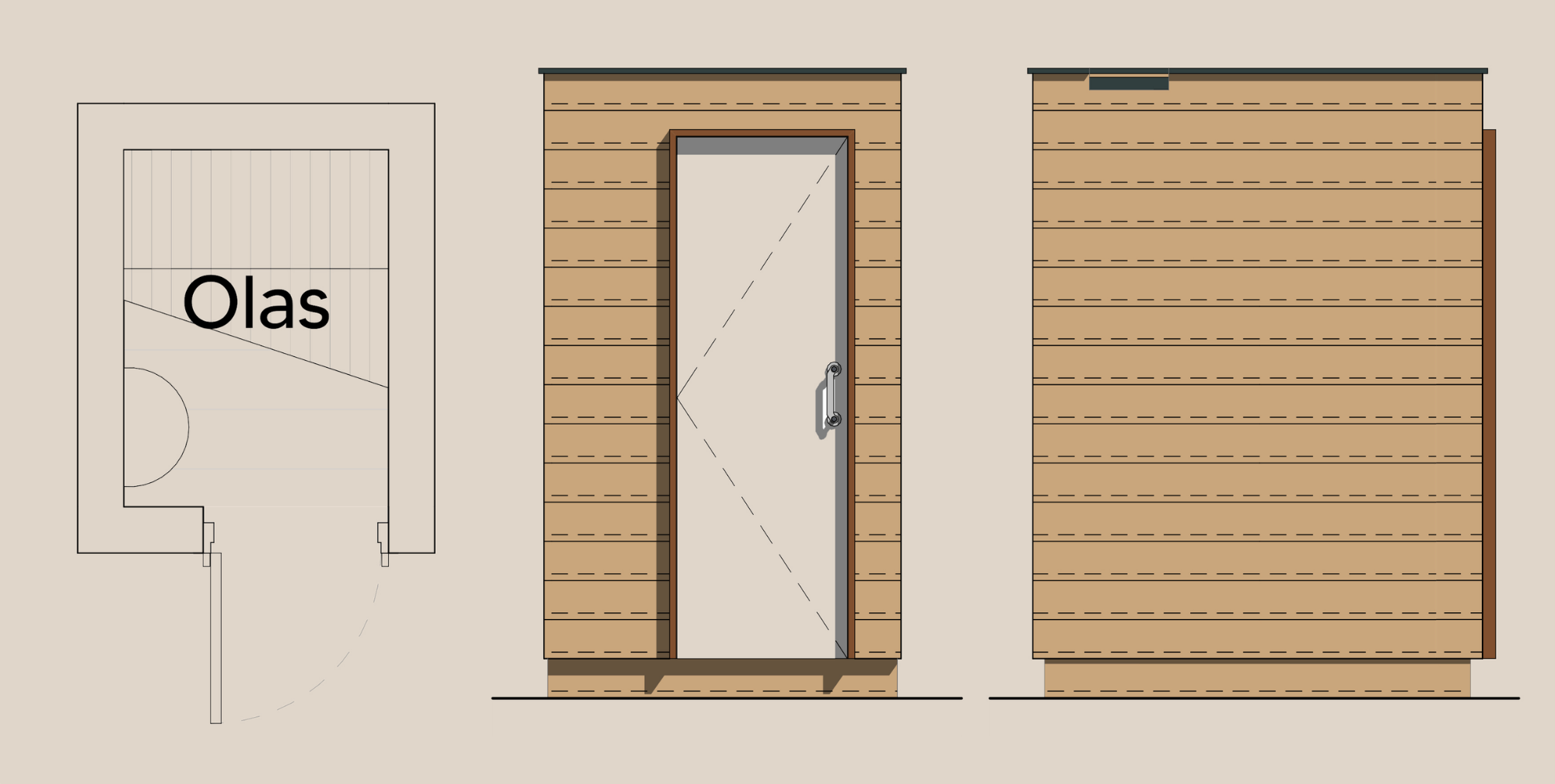
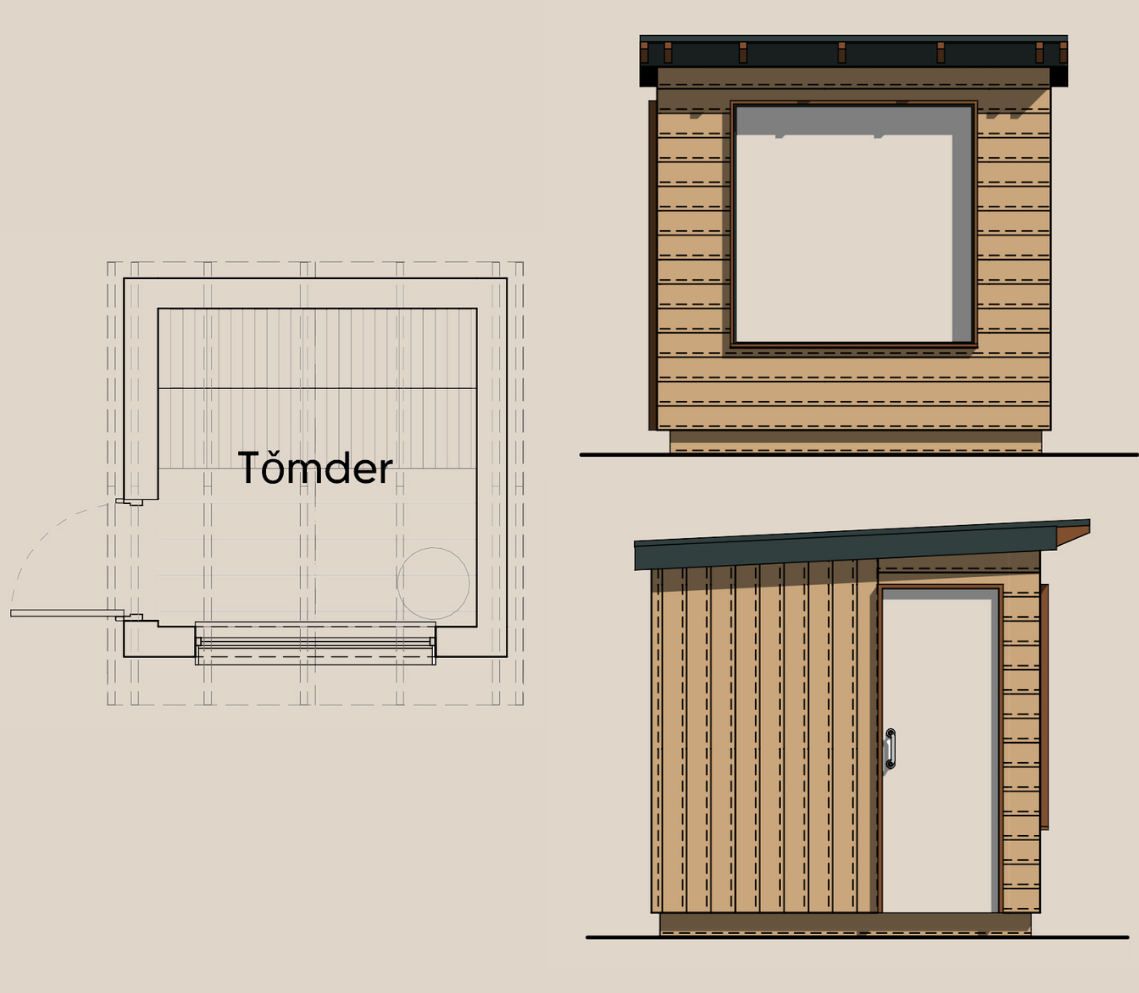
At Phase, we design and build dedicated garden saunas in our Cornwall workshop. Our compact Olas 1–2 person sauna is designed for solo use or couples, while the larger Tǒmder home sauna provides more space to relax and enjoy the sauna experience at home.
Both options are designed specifically for sauna use, creating a dedicated space where you can make sauna bathing a more convenient part of your routine.
Contact us today to discuss your garden, how you plan to use your sauna and which option could work best for your space.
FAQ’s
-
Sauna sessions can cause temporary weight loss through sweating, but this is mainly water weight and returns once you rehydrate. A sauna shouldn't be relied on for fat loss, but it can complement an active lifestyle through relaxation and post-exercise recovery.
-
If you're new to sauna bathing, start with shorter sessions of around 5 to 10 minutes and gradually increase the time as you become accustomed to the heat. Sessions of around 15 to 20 minutes are common, but heat tolerance varies from person to person.
-
Regular sauna bathing has been associated with a range of potential benefits, including relaxation, improved circulation, better sleep and post-exercise muscle recovery. Research has also found associations between frequent sauna use and cardiovascular health, although sauna bathing should complement rather than replace exercise and other healthy habits.
-
Yes. A sauna can be a relaxing addition to your post-exercise routine and the heat may help relax muscles and ease feelings of soreness. Allow your heart rate to settle after exercising, make sure you're hydrated and give yourself time to cool down afterwards.
-
Some people include sauna bathing in their daily routine, but there isn't one frequency that's right for everyone. Session length, temperature, hydration and your individual tolerance to heat all matter. If you have a medical condition or take medication that could affect your response to heat, speak to a healthcare professional before making sauna use a regular part of your routine.
-
Not necessarily. Phase's Olas 1–2 person sauna is designed as a compact garden sauna for individuals or couples, while the larger Tǒmder home sauna provides more internal space. This means the right option will depend on your available garden space and how you plan to use your sauna.
